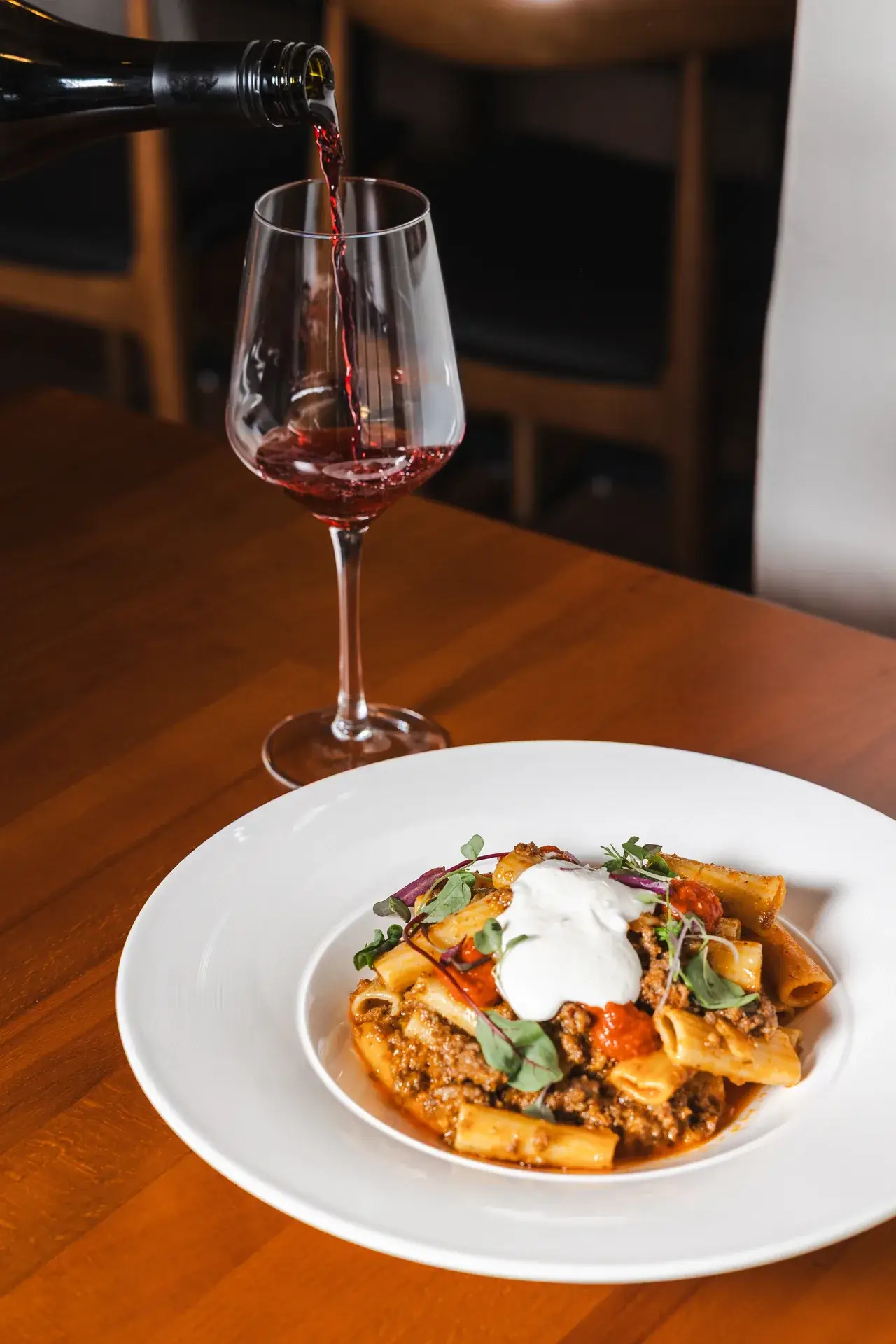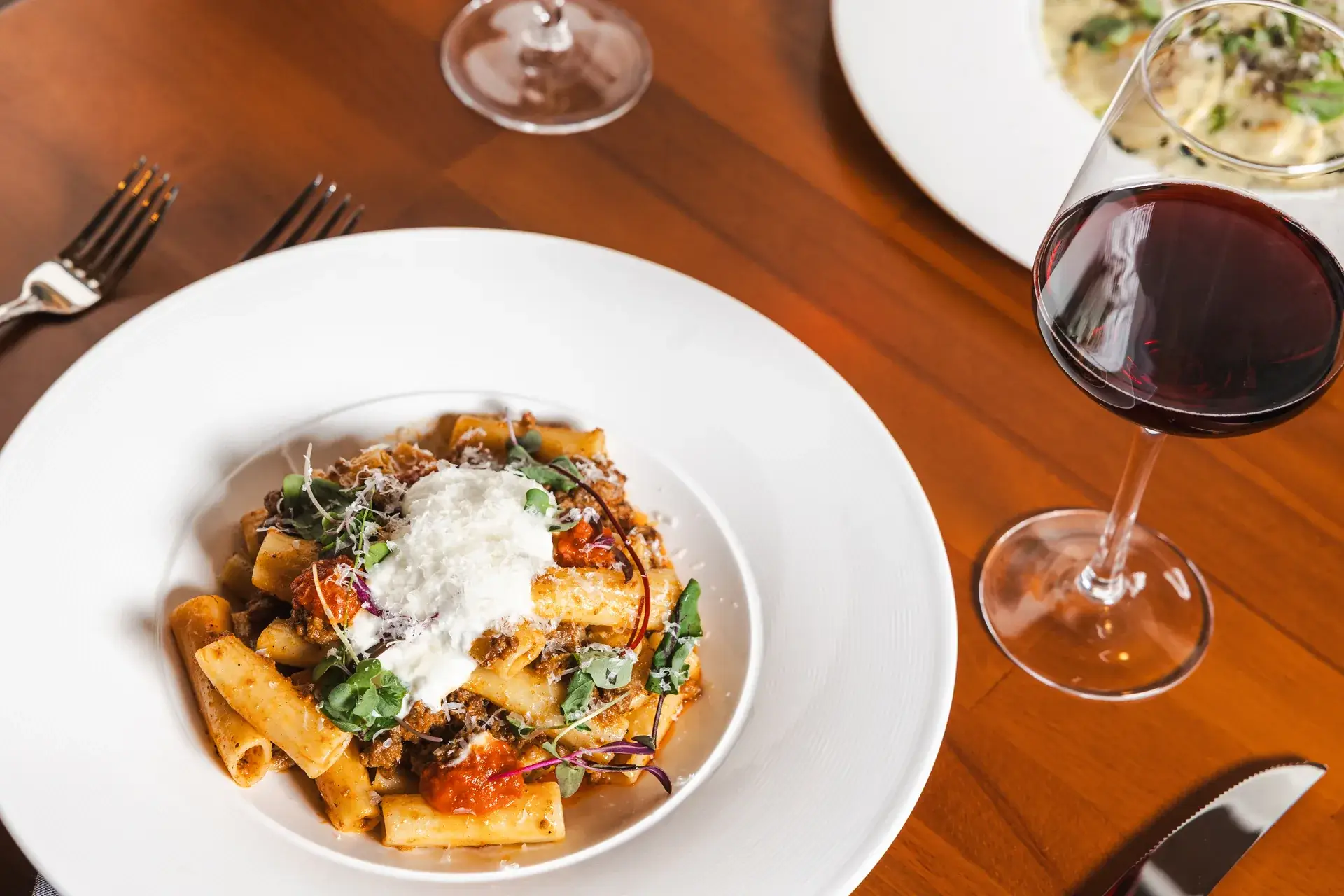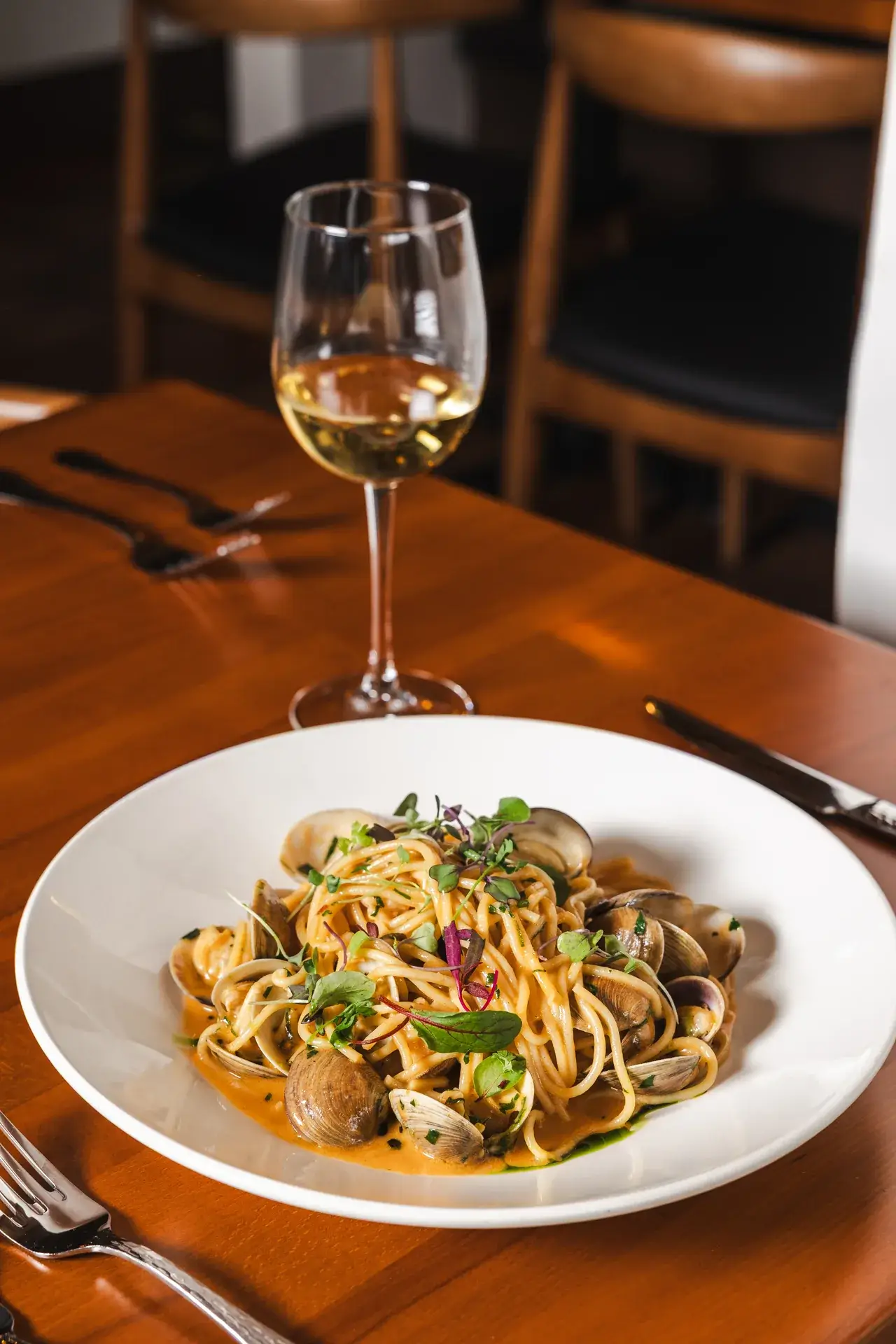
Around six in the evening, in cities and towns all over Italy, something quietly remarkable happens. People stop working. They walk to a nearby bar or osteria. They order a glass of something bittersweet, a few small bites, and they settle in. Not to eat dinner. Not to drink seriously. But to do exactly nothing — to pause between the work of the day and the meal that comes after, with friends or family, in no particular hurry.
This is aperitivo. It is one of the most beloved rituals in Italian life, and one of the least understood outside of Italy. Here is what it actually is, where it came from, and how to do it properly in Santa Rosa.
The Word Itself
The word aperitivo comes from the Latin aperire, meaning “to open.” The aperitivo is the drink that opens the meal — and, more broadly, the ritual that opens the evening. It is not happy hour. It is not a cocktail. It is its own category, with its own logic.
A traditional aperitivo has three components: a wine-based, bittersweet drink; a few small bites of food; and time. The first two are simple. The third is the heart of it. Aperitivo is meant to be slow — sipped over the course of thirty minutes to an hour, never rushed, always shared.
The Three Classic Aperitivi
The traditional Italian aperitivi are almost all wine-based and gently bitter. The bitterness is not a quirk; it is a function. Aperitivi are designed to wake the palate and stimulate the appetite. Sweet drinks dull the palate. Bitter drinks sharpen it.
The three you are most likely to see at a proper Italian restaurant in Santa Rosa:
- Cocchi Americano — an aromatized white wine from Asti, in Piedmont, first produced in 1891. It tastes of honey, citrus peel, elderflower, and the faintest whisper of quinine. It is the ancestor of the classic Italian aperitivo, and one of the most elegant drinks in the world.
- Cappelletti Spritz — a wine-based aperitivo from Trentino, in the Italian Alps. It is brighter and more herbal than Cocchi, with notes of rhubarb, orange, and alpine herbs. Slightly more bitter, very food-friendly.
- Lofi Vermouth — a white vermouth from Turin, served over ice with a twist of lemon. It tastes of vanilla, white flowers, and citrus.
All three are on our aperitivi list at Capriciano.
Prosecco Counts Too
A glass of cold Italian sparkling wine — almost always Prosecco from Valdobbiadene — is also a perfectly acceptable aperitivo. In fact, in many parts of Italy, it is the most common choice. Prosecco is lighter than Champagne, gentler in bubble, and easier to drink slowly. Pour it into a wine glass (not a flute — Italians have moved on), serve it cold, and you have the simplest and most universal Italian aperitivo there is.
What to Eat With Aperitivo
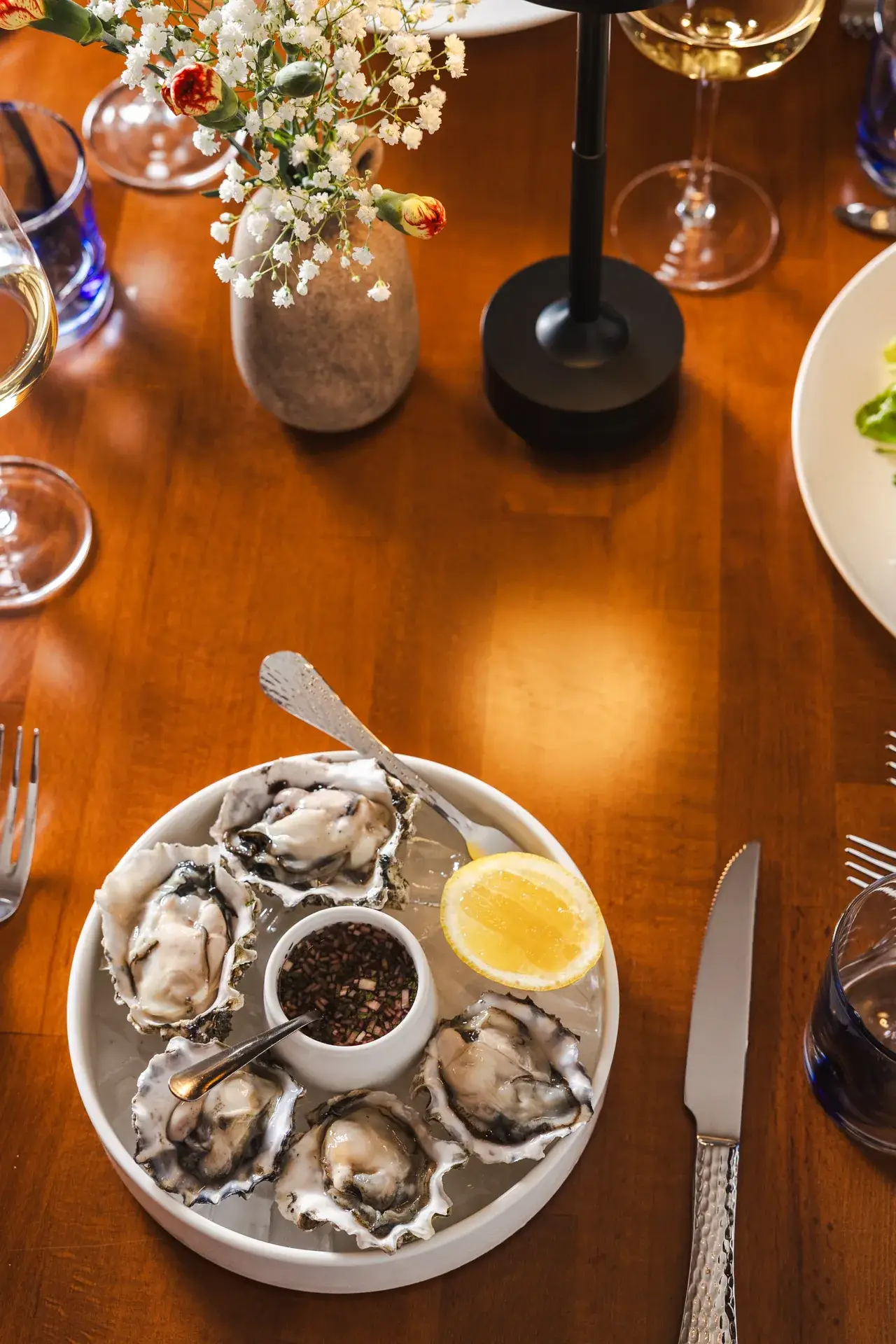
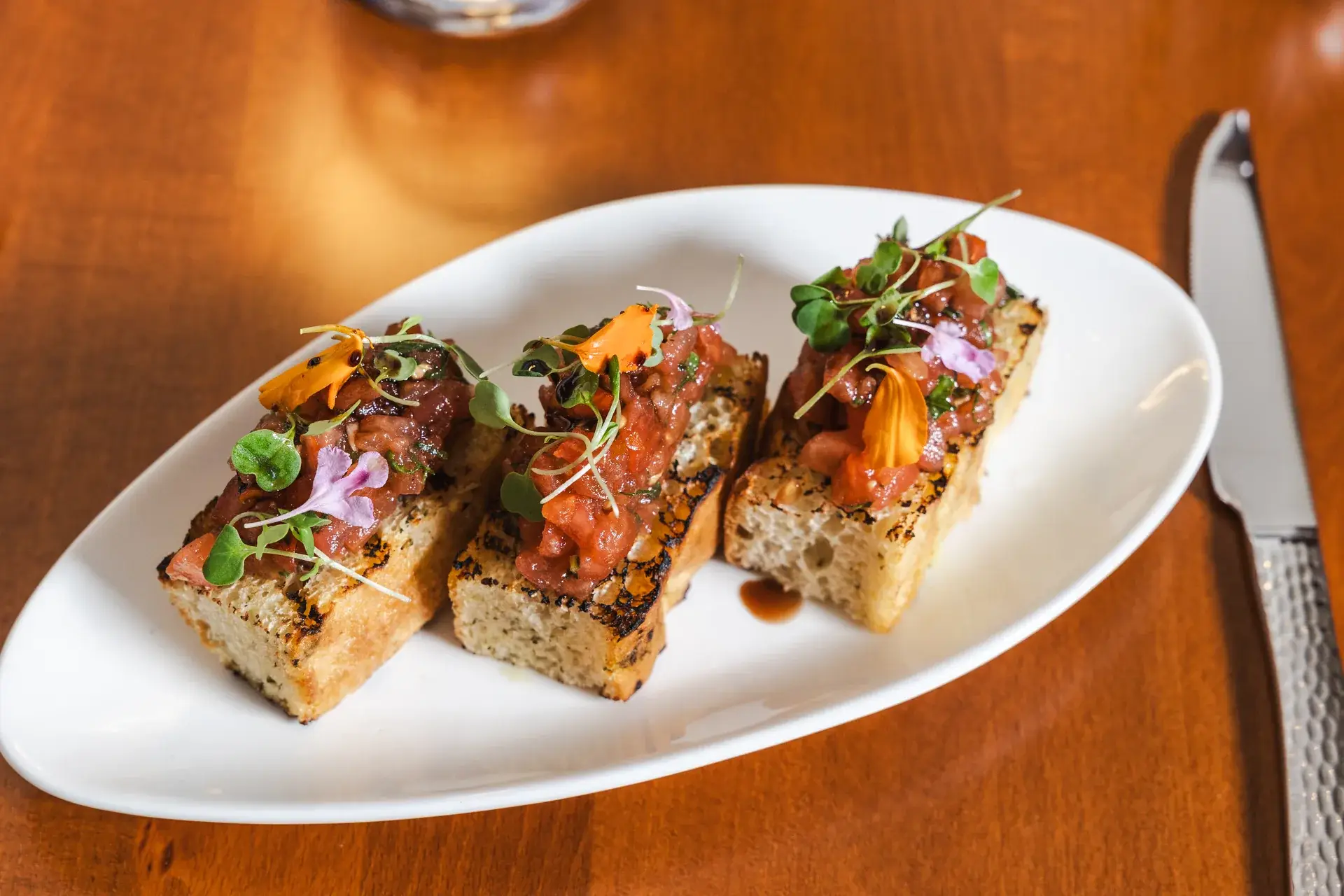
The food side of aperitivo is just as important as the drink. The Italian word for the small bites that accompany aperitivo is stuzzichini — literally, “little things to nibble on.” Classic stuzzichini include olives, taralli, focaccia, a small bowl of nuts, or thin slices of cured meat or aged cheese.
In a proper osteria, the aperitivo course often graduates naturally into the antipasti course — you order a glass of Cocchi, a small platter of olives or bruschetta, and gradually, without anyone really deciding, dinner has begun. That natural drift from drink to food to meal is part of what makes the Italian dinner work. There is no awkward “menus please” transition. The evening flows.
At Capriciano, our aperitivo menu is paired with our antipasti list — Bruschetta al Pomodoro, the Capriciano Graze Platter (three cheeses, prosciutto, mostarda di frutta), and Calamari Fritti all work beautifully alongside any Italian aperitivo.
Why Aperitivo Matters
For Italians, aperitivo is not really about the drink. It is about the pause — the moment between work and dinner where you remember that the day is your own, that the people across the table are worth your attention, that the rush of the office is now behind you. The drink is bittersweet because the moment is bittersweet: the work is done, the meal is coming, and you have an hour to yourself before the rest of the night begins.
In the wine country of Sonoma, this kind of pause feels especially natural. The afternoon light is long. The evenings are warm. And the rhythm of wine country life — slow, generous, food-and-drink-centered — is essentially the same rhythm Italians have built around the aperitivo for a hundred and fifty years.
How to Try Aperitivo in Santa Rosa
The easiest way to experience real Italian aperitivo in Santa Rosa is to come in early — around five or six in the evening — and order a Cocchi Americano, a Cappelletti Spritz, a white vermouth or a glass of Prosecco. Add a small plate from the antipasti menu — a Graze Platter or a Bruschetta is perfect — and let the next thirty minutes unfold without any agenda.
By the time you finish the drink, you will know what to order for dinner. Or you will have decided to just keep going with another glass and another small plate. Either is correct. That is the whole point.
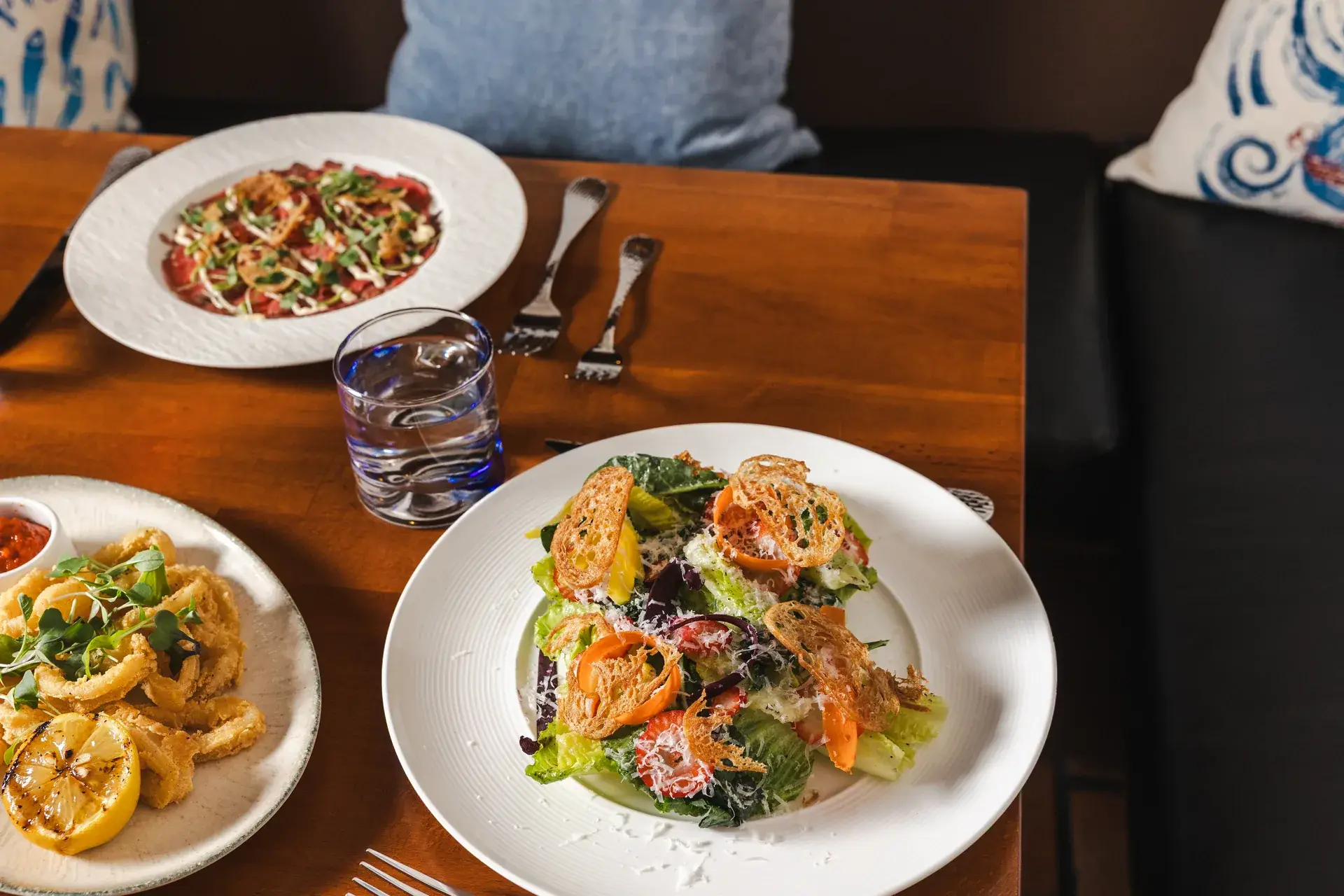
To try a proper Italian aperitivo in Santa Rosa, visit our aperitivo menu at Capriciano and pair it with a small plate from our antipasti list. Or, in the warmer months, take it out to the Al Fresco Terrace at sunset, and let the wine country evening do the rest.