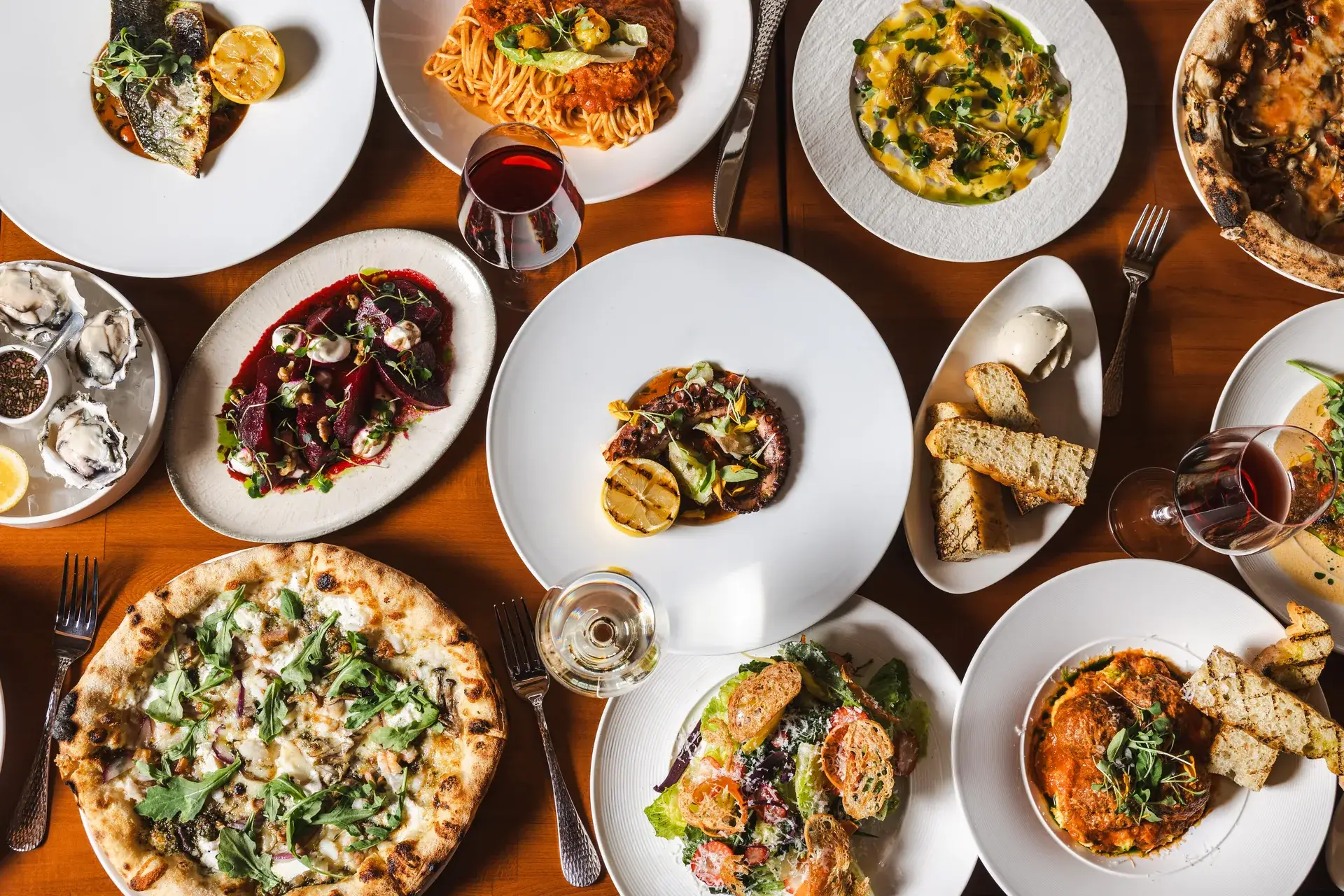
Walk down almost any Italian street and you will see three words painted on the awnings: osteria, trattoria, and ristorante. Osteria vs trattoria vs ristorante can seem like a trivia question. To a visitor they can look interchangeable — they all serve Italian food, after all. But to Italians, each word is a quiet promise about the room you are about to enter: how formal it will feel, what is likely on the menu, and the spirit of the meal ahead.
At Capriciano Osteria in downtown Santa Rosa, the word we chose was deliberate. Here is what each term really means — and why it is worth knowing before your next Italian dinner.
What Is an Osteria?
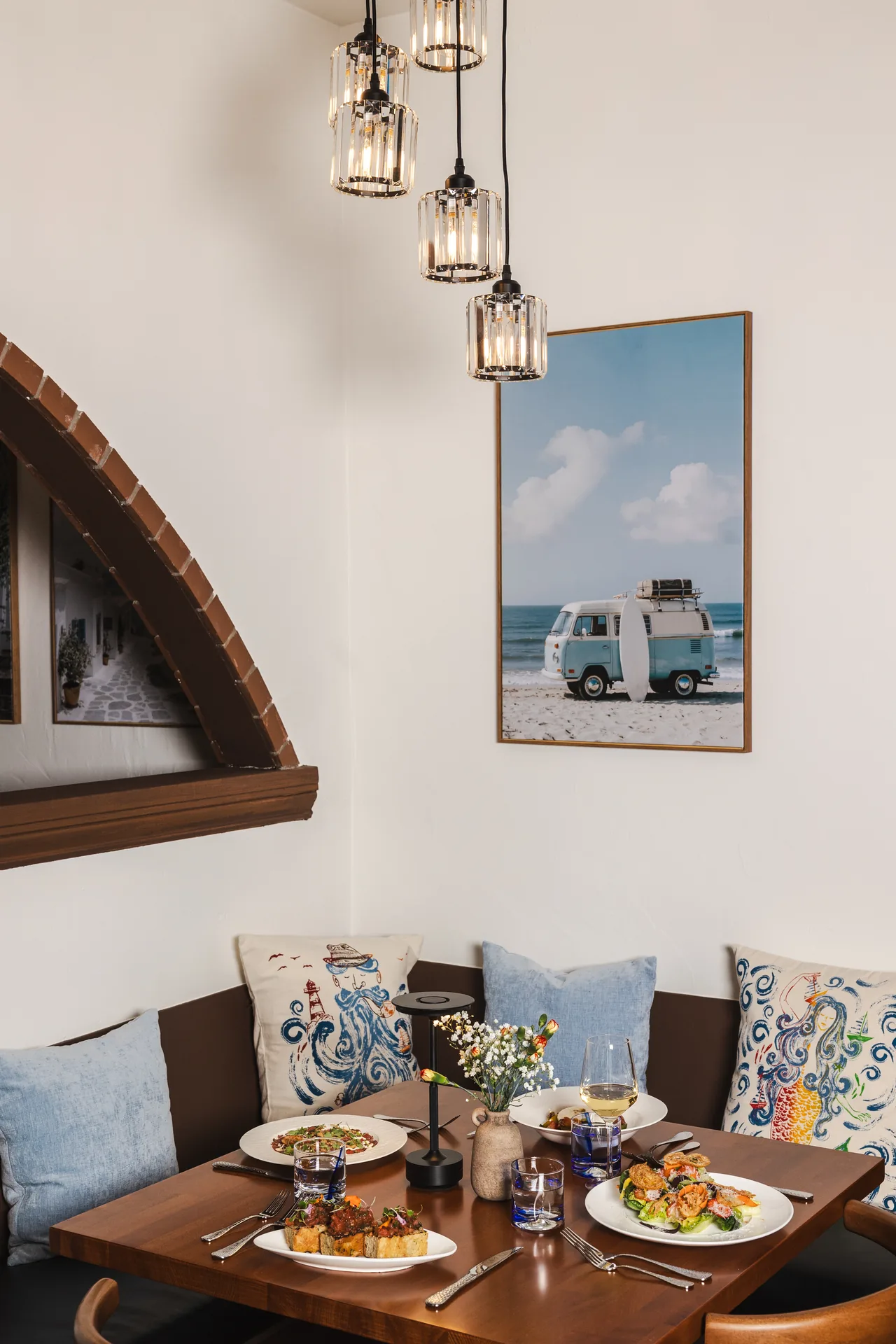
An osteria is the oldest of the three. Centuries ago it was a humble inn or tavern that poured local wine and served a short, changing menu of whatever the kitchen had that day — simple, honest, regional cooking meant to accompany the bottle rather than upstage it.
Today an osteria keeps that soul: relaxed, warm, and rooted in place. The menu is usually concise and seasonal, the wine list personal, and the atmosphere unpretentious but cared-for. An osteria is where you linger — where dinner is a conversation, not a transaction. It is hospitality in its most Italian form: generous, familiar, and a little poetic.
What Is a Trattoria?
A trattoria sits a step up in structure but stays close to home. Traditionally family-run, a trattoria serves heartier, sit-down meals — classic regional dishes, larger portions, and table service — without the formality or the prices of fine dining. Picture a familiar nonna’s recipes and a menu that rarely changes because it does not need to.
The line between an osteria and a trattoria has blurred over the decades, but the feeling still differs: a trattoria is the dependable neighborhood kitchen, while an osteria leans toward wine, seasonality, and a more intimate, curated experience.
What Is a Ristorante?
A ristorante is the most formal of the three. Expect a longer, more ambitious menu, a deeper wine list, polished service, and a higher price point. This is the white-tablecloth end of Italian dining — refined plating, multiple courses, and a kitchen that aims to impress as much as to nourish.
Put simply: a ristorante is where Italians go to celebrate; an osteria is where they go to feel at home.
Osteria vs Trattoria vs Ristorante: The Key Differences
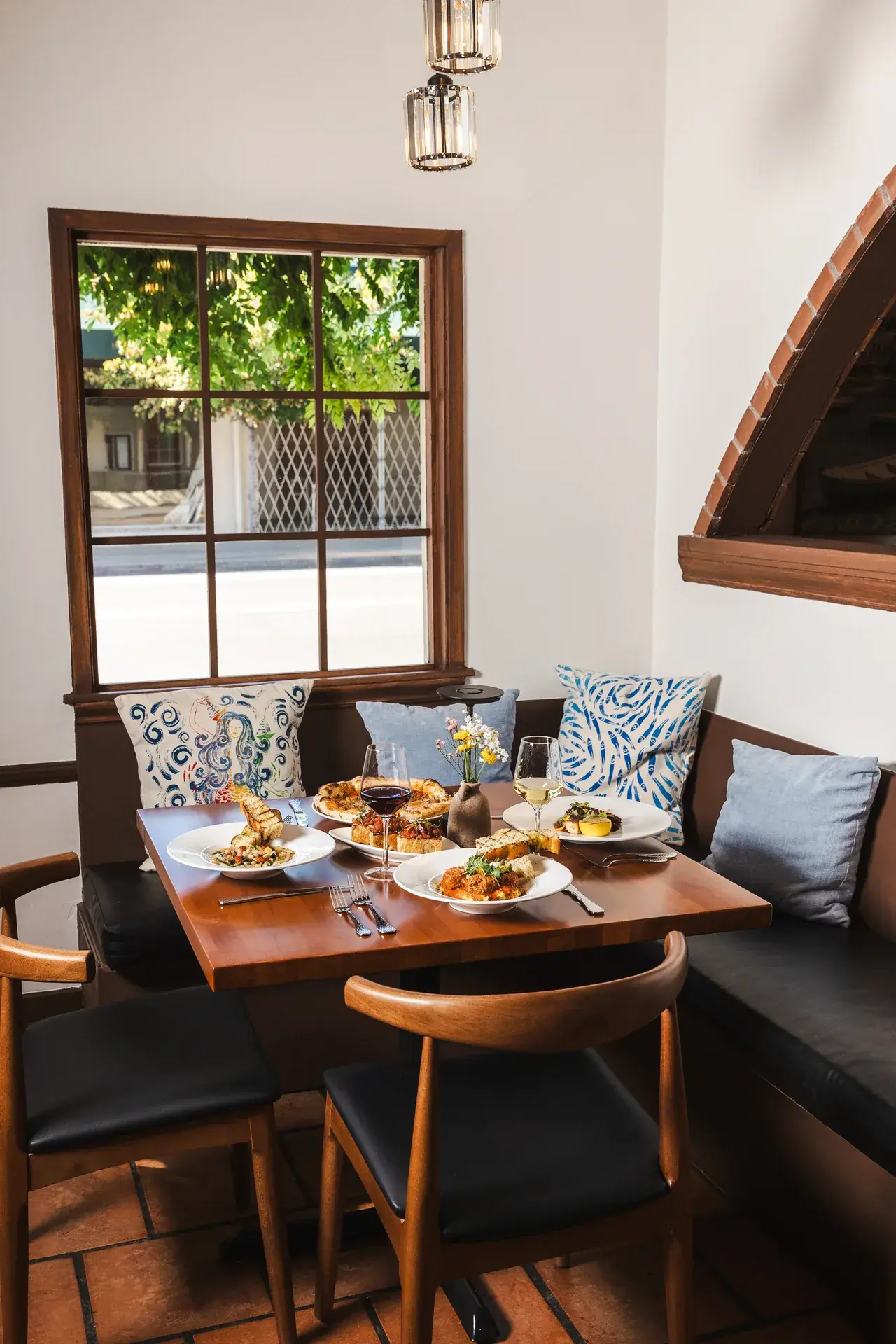
If you remember one thing, let it be the feeling each one promises. Here is how an osteria, trattoria, and ristorante compare at a glance:
| Osteria | Trattoria | Ristorante | |
|---|---|---|---|
| Atmosphere | Warm, casual, lingering | Homey, family, comfortable | Formal, refined |
| Menu | Short & seasonal | Classic & regional | Long & ambitious |
| Wine | Personal, curated | Honest house pours | Extensive list |
| Price | $ – $$ | $$ | $$$ + |
| Go for | An unhurried evening | Neighborhood comfort | A special celebration |
None is “better” than the others — they are simply different invitations. The right choice depends on the night you are after.
Why We Are an Osteria
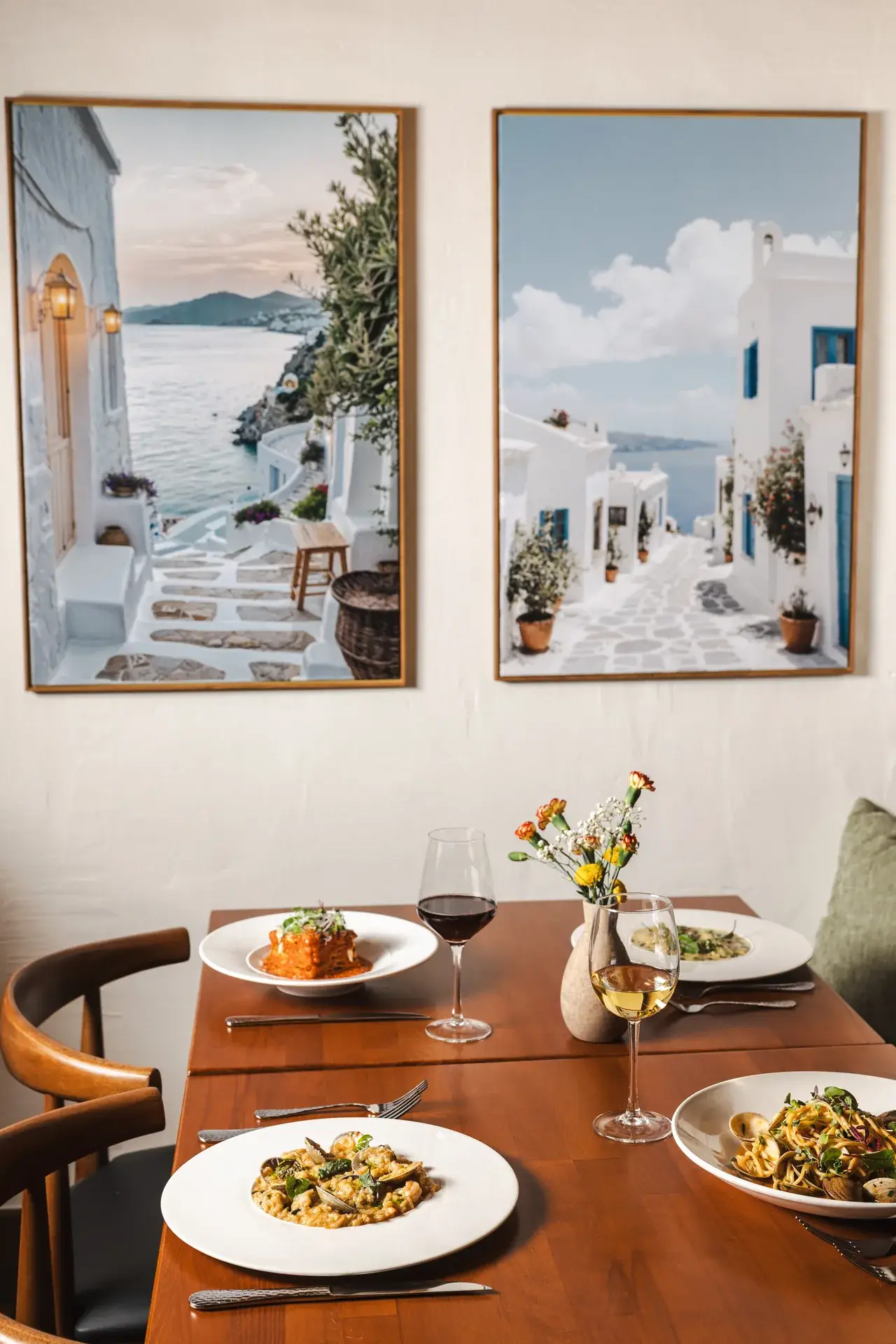
When Chef Baki Bekci opened Capriciano, he chose osteria on purpose. Baki grew up on Türkiye’s Turquoise Coast, where the table is sacred and a good meal is measured in hours, not minutes. That spirit — the Turquoise Coast and the Italian table — is exactly what an osteria is built to hold.
It is there in the handmade pasta, the wood-fired pizza from the open hearth, and a wine list that crosses easily between Italy and Sonoma. We are not trying to be the most formal address in Santa Rosa. We are trying to be your table — the one you return to, where the wine is poured generously and the evening keeps its own pace.
Experience an Osteria in the Heart of Wine Country
Now that you know the difference, there is only one way to feel it. Reserve a table at Capriciano Osteria, explore the experience, or browse our menu. The Italian table, done right — in downtown Santa Rosa.